4 min read
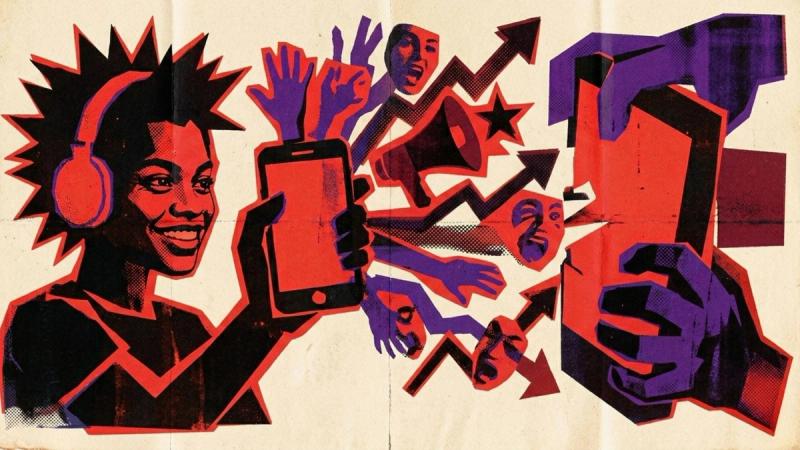
The worst thing you can do is give a creator a rigid, word-for-word script. Over-scripting kills authenticity, which instantly tanks your conversion rates. As noted in the comprehensive Influencer Marketing Glossary by Creally, organic user-generated content (UGC) relies heavily on the genuine trust between the creator and their audience. A successful UGC brief guides the structure of the message while leaving the exact delivery to the creator.

Your briefs should focus on seven core pillars:
- The Product Pitch (Keep It Tight). 3 to 5 sentences explaining what your app does, who it’s for, and the single biggest problem it solves.
- The Performance Target. Define the specific conversion goal (e.g., download and register, sign up for a free trial).
- Hook Directions (Not Scripts). Provide 3 to 6 proven hook angles to test, with the explicit instruction: "Say this in your own words so it sounds natural."
- Platform Specifications. Request vertical 9:16 files optimized for native viewing (TikToks perform best at 21, 34 seconds; Instagram Reels peak around 21, 60 seconds). Make sure you explicitly ask for unedited RAW footage. This allows your internal design team to endlessly splice, test new hooks, and assemble various ad cuts without paying for reshoots.
- Brand Tone. Define it in exactly three words (e.g., "casual, honest, relatable" or "direct, confident, informative").
- Specific Guardrails (Do’s & Don’ts). List clear restrictions, such as avoiding competitor mentions, correct brand pronunciation, and forbidden claims.
- Visual Inspiration. Provide 1 or 2 reference links of winning ads to calibrate pacing and energy, not for direct copying.
This human-centric approach to briefing is vital for lower-funnel conversions. According to an industry study analyzed in The Evolution of AI Influence, human-driven UGC yields a 19% lift in purchase intent compared to just 12% for automated or AI-generated personas, proving that real social proof cannot be fully replaced by scripts.
Compliance must be woven into the brief itself. The FTC requires ad disclosures to be unavoidable and placed "above the fold"... meaning they must appear in the very first line of a social caption before the user has to click "See More." On video-first platforms, you must require a dual-disclosure approach: a visual text overlay on the screen plus an oral disclosure within the first 30 seconds of the clip. Never rely on Instagram or TikTok's built-in "Paid Partnership" tags alone; the FTC expects the disclosure to be part of the creator's native content.
Additionally, your video creatives must strictly comply with mobile marketplace rules. Section 2.3.1 of the Apple App Store Review Guidelines bans misleading marketing, including showcasing a simulated gameplay experience or an interface design that does not exist in the actual app. Violating this guideline can lead to immediate app rejection, slower future reviews, or developer account termination. Google Play similarly rejects metadata, screenshots, or videos that display non-existent app features, and enforces strict data and tracking rules under its Families Policy when targeting younger demographics.
Finally, always differentiate usage rights upfront. Paying an influencer for an organic post does not grant you the right to run paid ads with their face. You must clearly define Content Licensing (reusing content on your brand-owned site, email, or organic social channels) versus Paid Advertising Use (running dark ads from your account or whitelisting/boosting via the creator's handle). To ensure these steps translate into actual revenue rather than vanity metrics, teams should follow structured frameworks, such as those detailed in the guide on How to Measure Influencer Marketing Revenue in Practice. Because a perpetual buyout is rarely necessary and highly expensive, negotiate time-boxed paid usage rights (typically 30 to 90 days) to keep costs manageable while avoiding ad fatigue.
Conclusion
Creating effective UGC is not about rigid control; it is about strategic partnership. By giving creators the freedom to express themselves within a clear structure, you get authentic, high-converting content. At the same time, legal compliance, adherence to App Store and Google Play rules, and a clear division of advertising rights form the foundation that protects your app from bans and your budget from overspending. Striking the perfect balance between creativity and the rules of the game is the only way to scale mobile marketing in 2026.
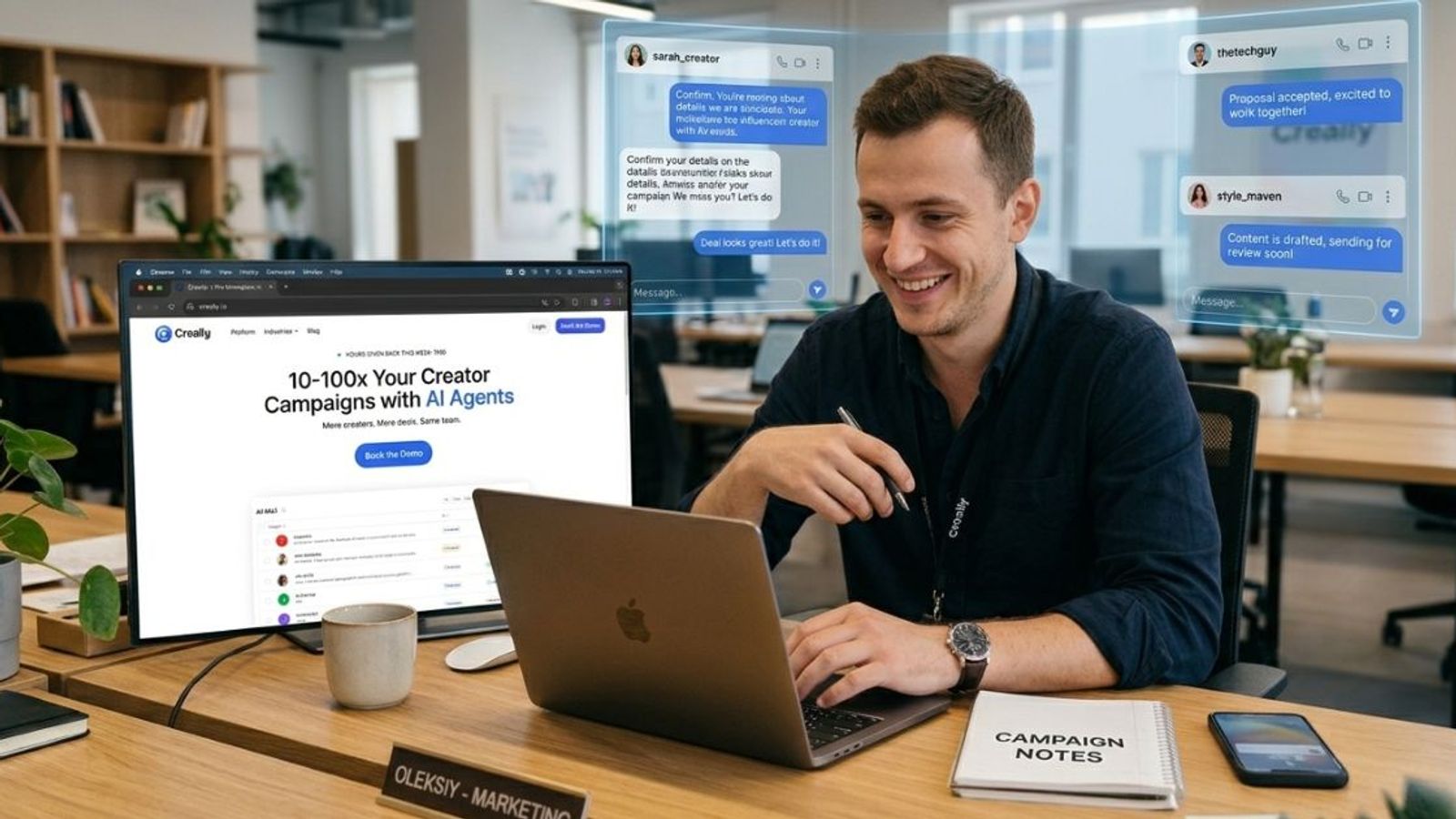
To streamline this process and build a highly effective, compliance-ready performance pipeline, modern user acquisition teams rely on the ecosystem provided by the official Creally platform, which eliminates manual operational bottlenecks and secures sustainable campaign growth.