2 min read
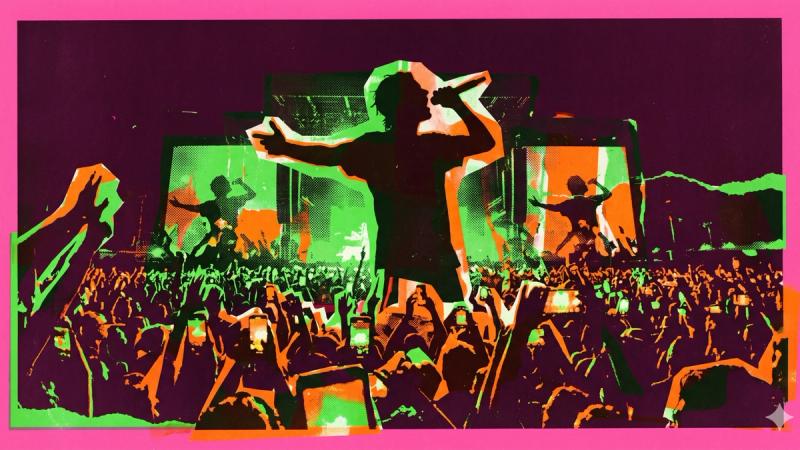
At Coachella 2026, YouTube Premium shifted from traditional advertising to betting on Justin Bieber’s comeback, turning his performance into a major reputation-recovery marketing case.
What looked like a concert became a carefully engineered narrative of redemption that delivered massive impact for the platform. Read more in this article.
This case proves that the era of perfectly polished "product launches" is over. Here is how to adapt your social media strategy:
1. Leverage "Vulnerability Sells"
Instead of asking an influencer for a perfect studio photo with your product, ask them to share a failure, a struggle, or a crisis that your brand helped resolve.
Pro Tip. In 2026, a "confessional" post with "bad" lighting generates 60% more saves than high-end studio video. Raw honesty is the new premium.
2. Utilize Legacy & Archival Content
If you are working with an influencer who has been in the industry for years, don’t ignore their past. Ask them to dig up a photo or video from 5–10 years ago where they used your brand (or a similar one).
Pro Tip. Create "Then vs. Now" carousels. This builds trust and showcases brand longevity and loyalty.
3. Create "Accidental" Meme Moments
The joke about Justin having YouTube Premium didn't feel scripted. Allow your influencers to improvise with the product.
Pro Tip. If a creator accidentally drops the product or makes a joke about the packaging keep it. These "authentic glitches" are what turn into viral memes, bringing in millions in organic reach.
4. Prioritize Context Over Reach
YouTube Premium was successful because it was actually needed by Justin right there on stage. The product should be the "hero" that saves the situation in real-time.
Pro Tip. Instead of a standard review, integrate products into Live streams or during high-stakes events for the creator (e.g., moving to a new city, a project launch, or a major trip).
5. Weaponize Reputation Management
Before signing a contract, analyze the current sentiment around a creator. If they are in a "reputation slump," provide them with a tool for "cleansing."
Pro Tip. Position your brand as the one that "stood by them during a tough time." This creates an unbreakable bond between the creator’s loyal audience and your product.