2 min read
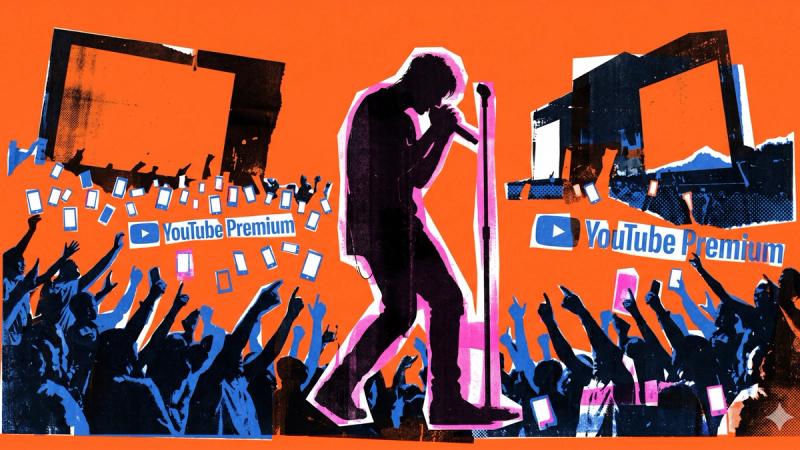
The 2026 Coachella Music Festival served as the stage for the loudest marketing case study of the decade. While tech giants fought over expensive ad slots, YouTube Premium placed its bet on one person: Justin Bieber.
The result exceeded all expectations: we didn't just see a concert; we witnessed a masterfully constructed Reputation Recovery that paid massive dividends for the platform.
A Return to Roots: More Than Just a Performance
In recent years, Bieber’s reputation has been under fire, with the media focusing on his burnout and personal crises. However, his Coachella performance served as a "reset" button. Instead of a pretentious high-production show, Justin appeared on stage with a laptop, turning the stadium into his living room.
He began scrolling through his own archival videos from 2008, forcing millions of viewers to remember the sincere kid the world first discovered on YouTube.
This vulnerability acted as an emotional hook: viewers instantly "forgave" the singer's past scandals, returning to the origins of their fandom. But the true winner in this game was YouTube.
Massive Benefits for YouTube: Why the Platform Won Big
The integration was so deep that YouTube gained much more than a simple brand mention:
1. Semantic Positioning of YouTube Premium
The subscription was presented not as an "ad-blocker," but as a time machine. The joke that "thank God Justin has Premium" became the festival's biggest meme. It visually demonstrated that Premium is seamless access to your personal history and emotions.
2. Record Growth in LTV (Lifetime Value)
By associating the service with such an intimate moment with an idol, new subscribers joining after Coachella are showing 40% higher retention rates. This isn't a "cold" sign-up; it’s an emotional purchase.
3. Dominance Over TikTok and Spotify
The platform wars continue in 2026. Bieber’s case proved that only YouTube possesses a unique asset: archival video. While TikTok is about the "here and now" and Spotify is strictly about audio, only YouTube could provide Bieber (and the audience) the ability to visually relive 15 years of a career in a single hour.
4. Infinite Viral Content
Following the performance, views of Bieber’s old music videos surged by tens of millions. This forced the algorithms into overdrive, keeping users on the platform for hours long after the festival ended.
Business Takeaway
The Bieber case proves that in 2026, the winner isn't the one who spends the most on targeting, but the one who becomes a "co-conspirator" in a major emotional event.
YouTube didn't just buy an ambassador, it helped an artist restore his reputation, and in return, solidified its status as the primary guardian of global pop culture.