4 min read
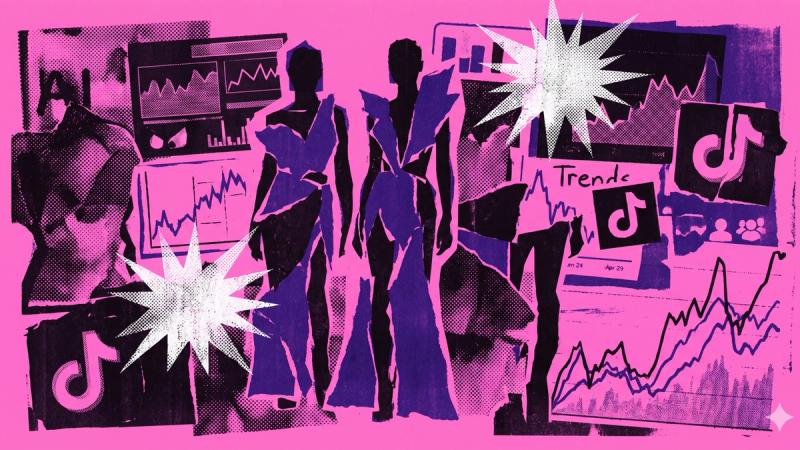
The era of passive reach is dead.
If your influencer strategy still relies on vanity metrics, you are losing equity to brands that master algorithmic forecasting and cultural hacking. This deep dive into the 2026 Met Gala reveals the new mechanics of attention capitalization where Zara outpaces couture and prediction markets replace press releases.
Conceptual Foundation: "Costume Art" and the Tech-Expansion
Met Gala 2026, codenamed the "Tech Gala," emerged as a benchmark case study in Data-driven marketing.
Under the patronage of Jeff Bezos and the integration of prediction markets, the event transitioned from a seasonal cultural gathering into a global marketplace for media value.
This technological shift transformed the "Costume Art" theme and the "Fashion is Art" dress code into a high-stakes challenge for commercial departments: fashion is no longer just apparel; it is now a primary object of intellectual investment.
Structural Guest List Transformation: From Prestige to Relevance
In 2026, we witnessed the final victory of the ROI-oriented approach to guest selection. Brands no longer purchase tables for "friends of the house" they invest in "Influence Nodes."
- Influencer Advantage: The creator share of the guest list rose to 28% (+12% vs. 2024). This is not just "youth outreach"; it is a strategic acquisition of First-party data from influencer audiences.
- Indirect Echo: The KPI of the year. Marketers no longer value an influencer’s direct reach alone. Instead, they measure the ability to trigger UGC (User Generated Content). Partnership success is now 78% dependent on how many times a star’s content was reinterpreted and amplified by secondary creators.
The Zara Phenomenon: Mass-Market as a "Glitch" in the Luxury Matrix
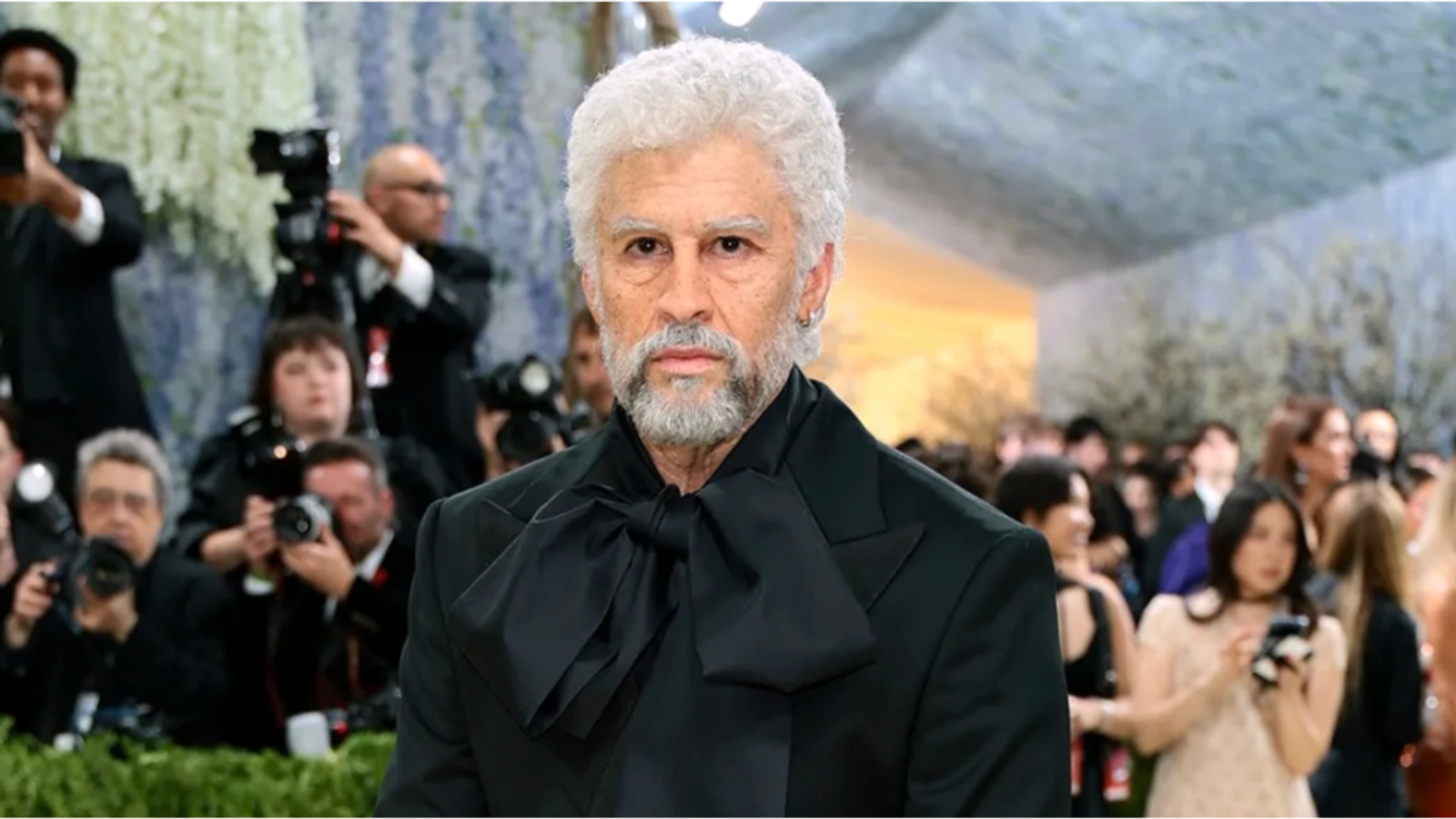
The most significant marketing shock of the evening was Bad Bunny’s appearance in Zara. This was not merely a red-carpet walk; it was a precision-engineered Marketing Stunt that disrupted the traditional algorithms of luxury perception.
- The Case. Bad Bunny appeared in an architectural silhouette from a mass-market giant, contrasted against custom couture worth hundreds of thousands of dollars.
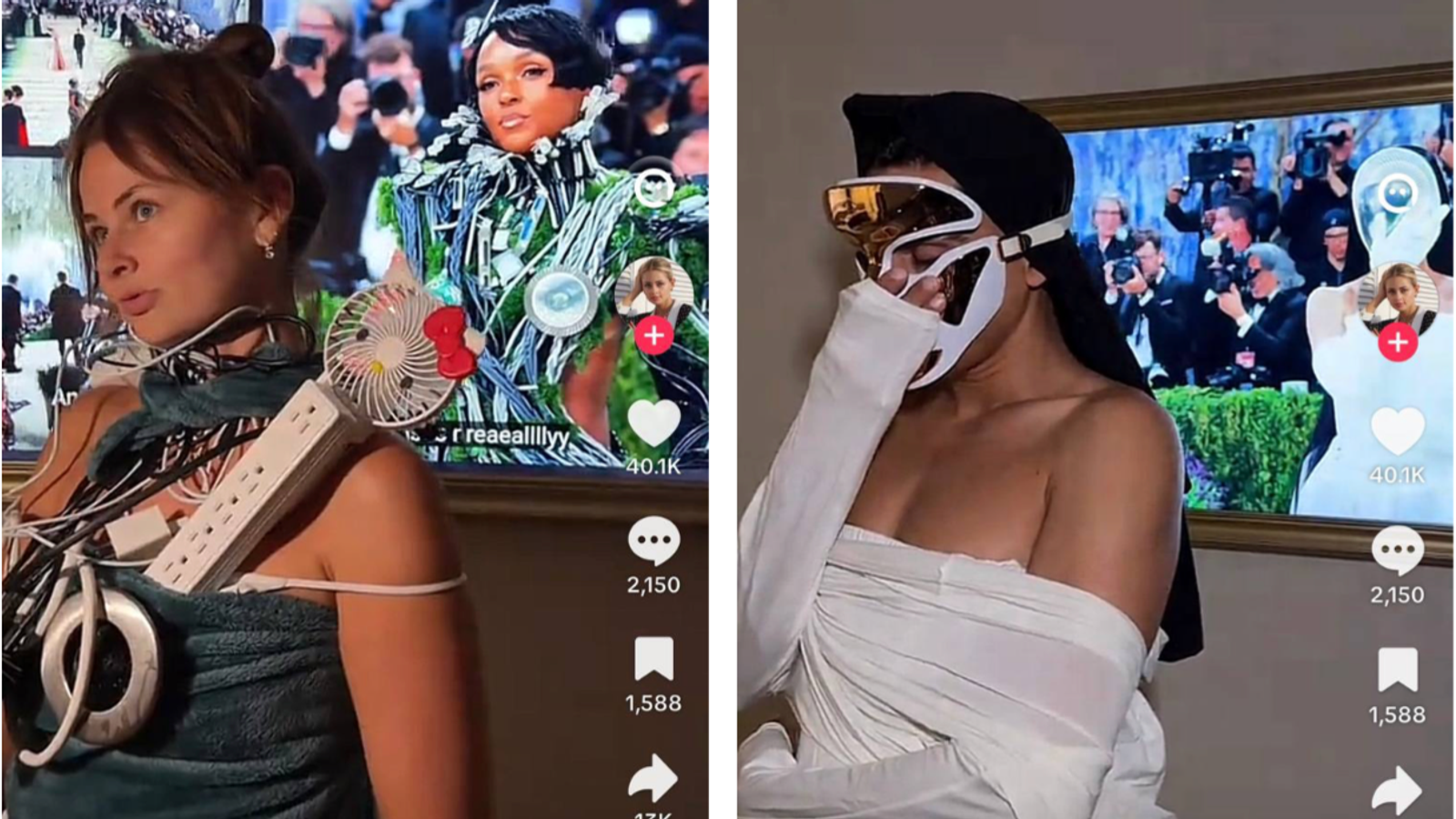
- The Reaction. TikTok exploded with "Luxury vs. Accessibility" comparisons. Zara achieved MIV (Media Impact Value) comparable to Chanel and Dior while spending 1,000x less on production.
- Why it worked. In 2026, Context became more expensive than Fabric. This is a signal to marketers: brand democratization via elite cultural events creates a "Cinderella Effect," generating extreme Engagement Rates. Zara proved that mass-market players can dominate the High Fashion discourse if they lead with an intellectual concept (paired here with prosthetic artistry by Mike Marino).
The New Architecture of Influence: Syncing TikTok, Instagram, and Betting
Attendance is no longer a rumor it is a financial asset.
- Collective Intelligence vs. Industry Leaks. Prediction Markets (e.g., Kalshi) are now more accurate than press releases. When a contract for a star like Kendall Jenner trades at $0.96, the market is pricing a 96% probability of her appearance.
- Strategic Risk Hedging. Jewelry and Fashion houses use this data to hedge their bets. If a brand ambassador’s "stock" drops 24 hours before the event, marketing teams pivot to crisis content or shift focus to more "liquid" influencers.
- Betting as Engagement. Users who "buy shares" in a celebrity’s appearance become the most loyal viewers of the broadcast. They are financially vested in the event, creating unprecedented retention levels.
Platform Specialization: TikTok (+47%) vs. Instagram (50% MIV)
2026 marked the definitive functional split of social platforms:
- TikTok (The Growth Engine). Saw engagement rates 47 percentage points higher than Instagram. TikTok sells the Process. Videos of assistants fixing gowns or raw "in-the-car" moments become instant memes.
- Instagram (The Authority Engine). Remains the source of 50% of total MIV. It is the platform for the Legacy. If TikTok creates the hype, Instagram converts it into long-term brand equity.
- The Metric of Success. It’s no longer about a star’s post; it’s about the Indirect Echo. If Lisa (Blackpink) triggers 1,000 secondary media mentions, the campaign is a triumph.
Marketing Vocabulary (Glossary)
- MIV (Media Impact Value). A proprietary algorithm that assigns a monetary value to every social post and interaction.
- Prediction Markets. Platforms where users trade on the outcome of events, used as a sentiment analysis tool.
- Indirect Echo. A metric measuring how much content is cited and repurposed beyond the original source.
- Marketing Stunt. A calculated provocation designed to hijack the cultural conversation.
- UGC (User Generated Content). The primary fuel for algorithmic virality.
Strategic Takeaways for Marketers Across All Niches
- For All Sectors. Leverage the "Zara Effect." If your product is mid-market, embed it into a premium context through extreme creativity. Contrast is the most cost-effective path to virality.
- For Tech Brands. Monitor Prediction Markets. They are the perfect tool to test demand for new features or products before they even launch.
- For Influencer Managers. Prioritize ambassadors capable of "Storytelling through Action" rather than just "Action through Aesthetics." In 2026, the hero of the meme beats the face of the cover.
- Multi-platform Synchronization. TikTok for the "raw" process, Instagram for the "gold" prestige, and Prediction Markets for the financial validation of your success.
Conclusion
Met Gala 2026 proved that success is not measured in likes, but in the sum of capital deployed, viral seconds on TikTok, and the accuracy of the forecast. Fashion may be an art, but its marketing is pure mathematics.