8 min read
Imagine a morning that starts not with coffee, but with dozens of tags on Threads and angry comments under your latest post.
Your brand ambassador, who accounts for a third of your annual marketing budget, made a bad joke or got into a loud offline incident. They might have expressed a position that contradicts your audience's values.
What should you do if an influencer your brand cooperates with gets into a scandal? Panicking is an attractive option, but an unprofitable one.
In an era when reputational crises unfold at the speed of TikTok algorithms, businesses need a clear crisis management protocol that minimizes financial and image losses.
The Creally influencer marketing platform advocates for transparency, data-driven automation, and conscious creator selection. However, no contract is entirely immune to the human factor.
Let's break down how to act when a crisis is already on your doorstep.
Why a Creator's Reputation Directly Affects Your ROI
According to the latest analytical reports for 2025-2026, influencer marketing remains one of the most effective customer acquisition channels. However, the Reputation Risk Index for brands has increased by 34%.
Users no longer separate a creator's personality from the company they advertise. HubSpot research shows a clear pattern in consumer behavior.
- 82% of consumers are ready to boycott a brand if its official ambassador demonstrates behavior that violates ethical or social norms.
- Only 15% of crises arise due to the quality of the product itself.
- The remaining 85% of crises are caused by socio-cultural triggers, where influencers act as the main catalysts.
When an influencer makes a mistake, the shadow falls directly on your performance marketing. This shifts consumer perception, lowering conversion rates and neutralizing the previous success of your UGC campaigns.
To avoid pouring money into volatile partnerships, brands must understand from views to revenue what influencer marketing ROI really means beyond simple vanity metrics.
4 Steps to Save a Business When an Influencer Gets Into a Scandal
When the reputational fire is already burning, you need to act systematically. Forget about emotions and turn on cold calculation.
Step 1. Triage and Situation Audit (First 2 Hours)
Do not try to instantly delete all mentions or pretend that nothing happened. Nobody has canceled the Streisand effect. First, assess the scale of the disaster.
Checklist for a quick audit
- Is the scandal directly related to your product?
- What is the reach of the negative information trigger? Is it a local storm in the comments, or are the media already writing about the incident?
- What is the response of the influencer themselves? Do they admit guilt or deepen the crisis with aggressive defense?
Step 2. Freezing Activities
Immediately halt all joint advertising integrations, targeted ads featuring the creator's face, and scheduled publications.
Continuing to run creatives with a scandalous opinion leader in the midst of the hate is a guaranteed way to burn the campaign's ROI to zero.
Step 3. Legal Analysis of the Contractd
The days when agreements with creators were made on a gentleman's agreement in Direct are gone. A modern business approach requires strict contracts.
Check your agreement for a Morality Clause, which is a provision regarding unacceptable behavior.
This clause allows you to terminate cooperation unilaterally without paying penalties if the influencer's actions damage the brand's reputation.
Step 4. Formulating an Official Position
According to Gartner, brands that formulate a clear position within the first 6 hours after an incident retain up to 70% of their loyal regular audience.
Users are not looking for excuses from you. They expect concrete actions and alignment with your declared values.
Response Scenarios for Your Brand
There is no one-size-fits-all solution for every crisis, but there are two proven strategic scenarios. The choice depends on the severity of the creator's fault.
Scenario A. Complete Disassociation (Cancel & Exit)
This strategy is applied in cases of serious offenses, deliberate discrimination, or gross deception of the audience.
The brand issues a brief official statement terminating all relations because the counterparty's behavior contradicts corporate ethics. For a practical look at navigating ambassador PR turnarounds, it is helpful to analyze the old justin effect how biebers reputation comeback at coachella became a gold mine for youtube.
Scenario B. Constructive Pause
This strategy works if the creator made an unintentional mistake or an unfortunate statement, but at the same time sincerely apologized to the audience.
In this case, the brand can temporarily suspend active advertising to let the situation cool down without burning bridges completely.
How to Insure a Business Against Future Crises
It is impossible to completely eliminate risks when working with people, but they can be minimized as early as the campaign planning stage. Implementing preventive marketing steps will protect your brand equity.
- Deep Background Check (Due Diligence)Analyze not only current Engagement Rates but also archival posts from the last 3-5 years. The internet remembers everything, and old skeletons in the closet often fall out at the least opportune moment.Keep in mind that looking at surface data can lead to errors, as explained in our guide on why engagement is a comfort metric and why it fails at scale.
- Diversification of the Influencer PortfolioDon't bet everything on a single macro-influencer. Cooperating with a pool of micro- and nano-influencers distributes risks. If one gets into a scandal, the brand's overall conversion and sales will not suffer a devastating blow.
- Transition to the Brand Advocates ConceptLook for creators who sincerely love your product, rather than just fulfilling a brief. An organic connection to the brand makes the creator's behavior more predictable and loyal in crisis situations.
Strategic case studies in crisis influencer marketing
To make theoretical tools like the Morality Clause or the Streisand effect clearer, let’s break down three real-world case studies. They show how brands acted at the epicenter of reputational crises and what it led to.
The Bud Light and Dylan Mulvaney case study
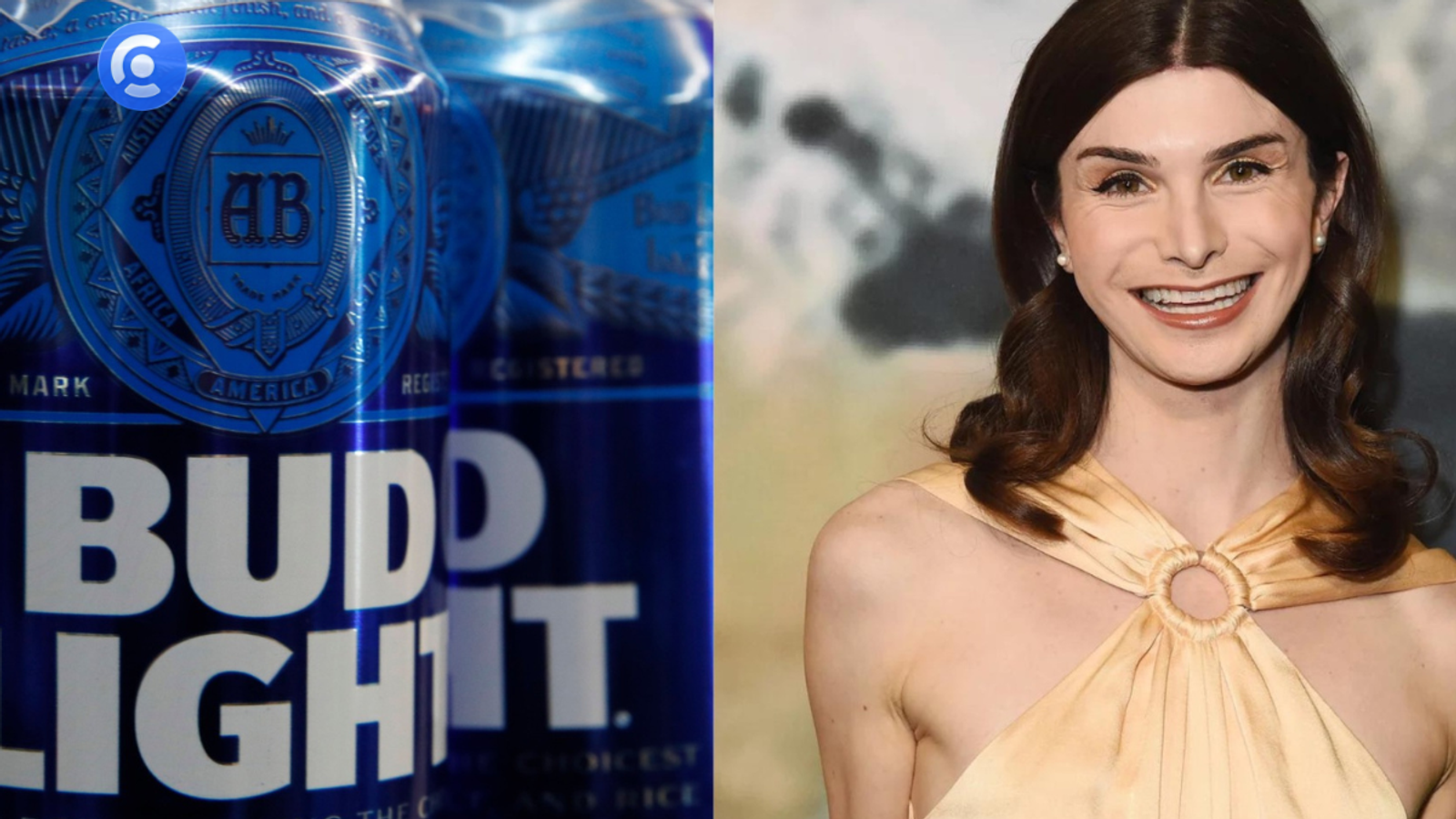
In 2023-2024, Bud Light, one of the most popular beer brands in the US, decided to expand its audience. They sent a personalized beer can to transgender influencer Dylan Mulvaney. This triggered a massive wave of outrage among the brand's conservative core consumers.
How the brand acted
The company proved completely unprepared for the backlash. Instead of taking a swift and clear stance, Anheuser-Busch management initially stayed silent. Later, they released a vague statement that satisfied neither side. They subsequently fired the marketers who orchestrated the integration.
The business results
- The brand lost its status as the number one beer in the United States.
- Total sales plummeted by 24 percent due to the indecisiveness and an attempt to play both sides.
The key business lesson
If you venture into bold influencer marketing, you must anticipate your core audience's reaction in advance. Crisis communication must be immediate and unequivocal. Attempting to please everyone only deepens the crisis.
The Adidas and Kanye West case study
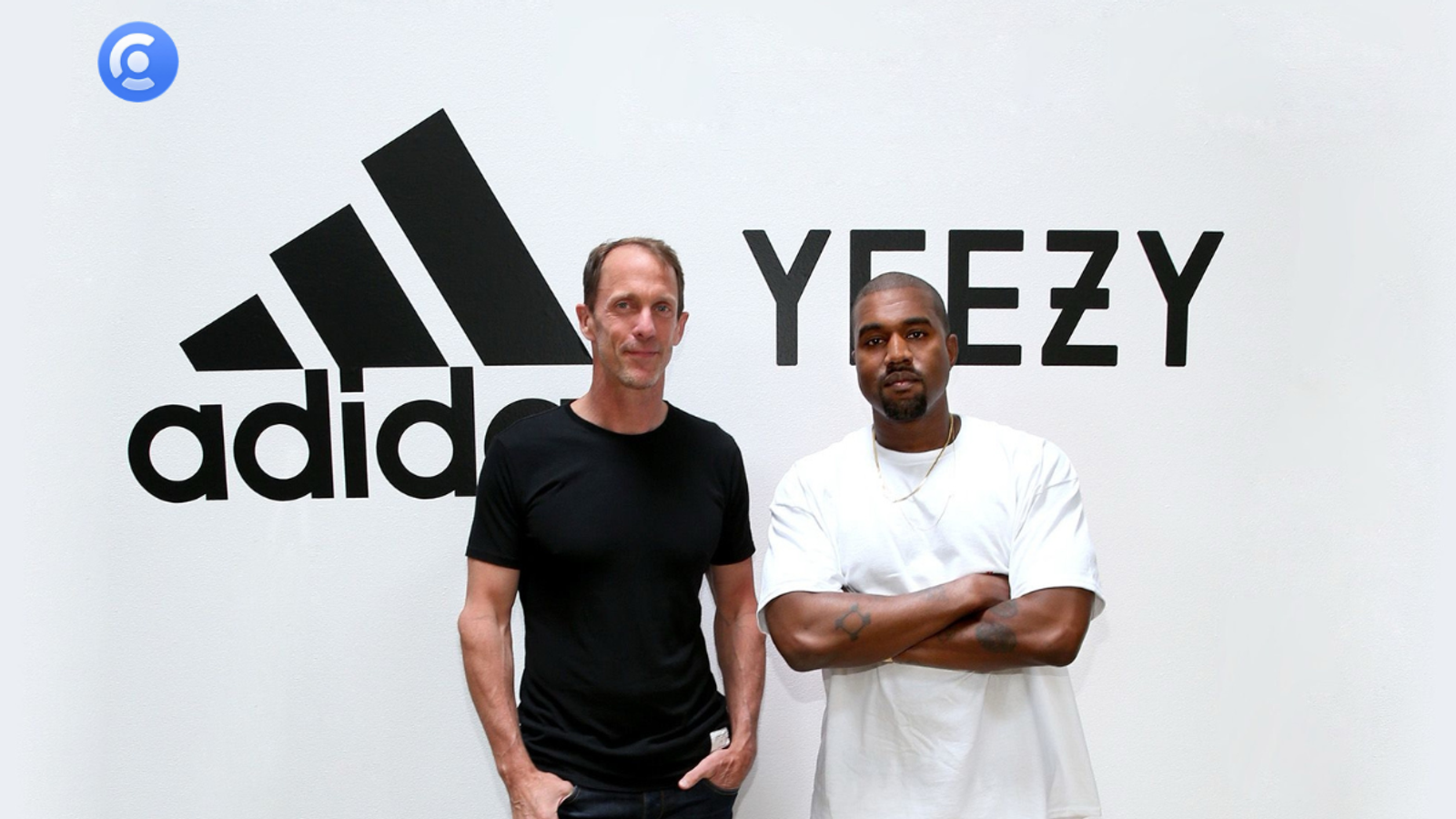
Adidas had a long-standing and highly lucrative partnership with rapper and designer Kanye West. This collaboration focused heavily on the Yeezy footwear line. The relationship fractured when the musician began making a series of public anti-Semitic and aggressive statements on social media and in interviews.
How the brand acted
As the scandal snowballed, Adidas initially paused for a few weeks to assess legal risks. Once ethical boundaries were completely crossed, the brand activated the Morality Clause. They immediately halted Yeezy production and completely cut off all payments to the artist.
The business results
- The company knowingly accepted financial losses of around 250 million euros in net profit for the year.
- This decisive move successfully salvaged its global reputation and long-term brand equity.
The key business lesson
Even if an influencer generates billions in profit, their toxicity in the market can destroy the entire company. A contract with a strict morality clause is your only reliable parachute in such scenarios.
The Dior and Johnny Depp case study
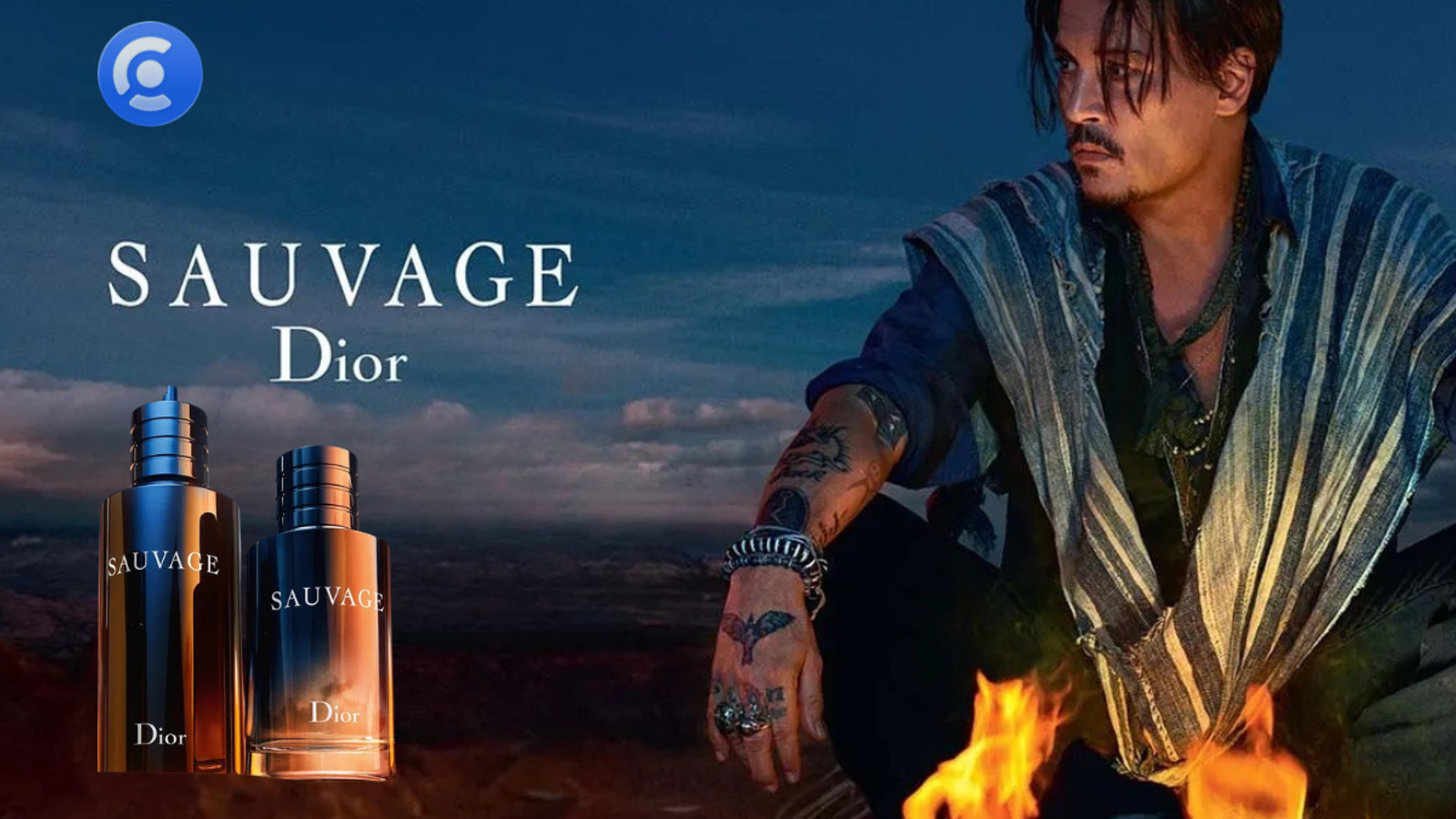
During a highly publicized trial between actor Johnny Depp and his ex-wife Amber Heard, Hollywood reacted swiftly. Depp was the face of Dior's Sauvage fragrance at the time. Most major Hollywood studios, including Disney and Warner Bros, immediately cut ties with him.
How the brand acted
Dior chose a different strategy by implementing a constructive pause. They conducted an internal audit and decided not to terminate the contract prematurely before the final court ruling, despite pressure from activists. The brand minimized aggressive active advertising but did not remove Depp from campaigns.
The business results
- Audience loyalty toward Dior skyrocketed when Depp won the lawsuit.
- Sales of Sauvage during and after the trial broke global records.
- The brand locked in an incredible ROI and later signed the largest men's fragrance contract in history with the actor.
The key business lesson
Not every crisis demands an immediate cancellation of the creator. If an audit shows the situation is nuanced and the core audience backs the influencer, waiting it out can yield massive dividends.
Conclusion
A crisis is always a maturity test for a marketing team. The main thing to remember is that the audience forgives influencers' mistakes much more often than they forgive brands' cowardice and silence on problems.
A clear position, rapid response, and legal preparedness will help your business emerge from any digital storm with minimal losses and preserved brand equity.